
The Naturetrek Macchietelle Reserve, Italy
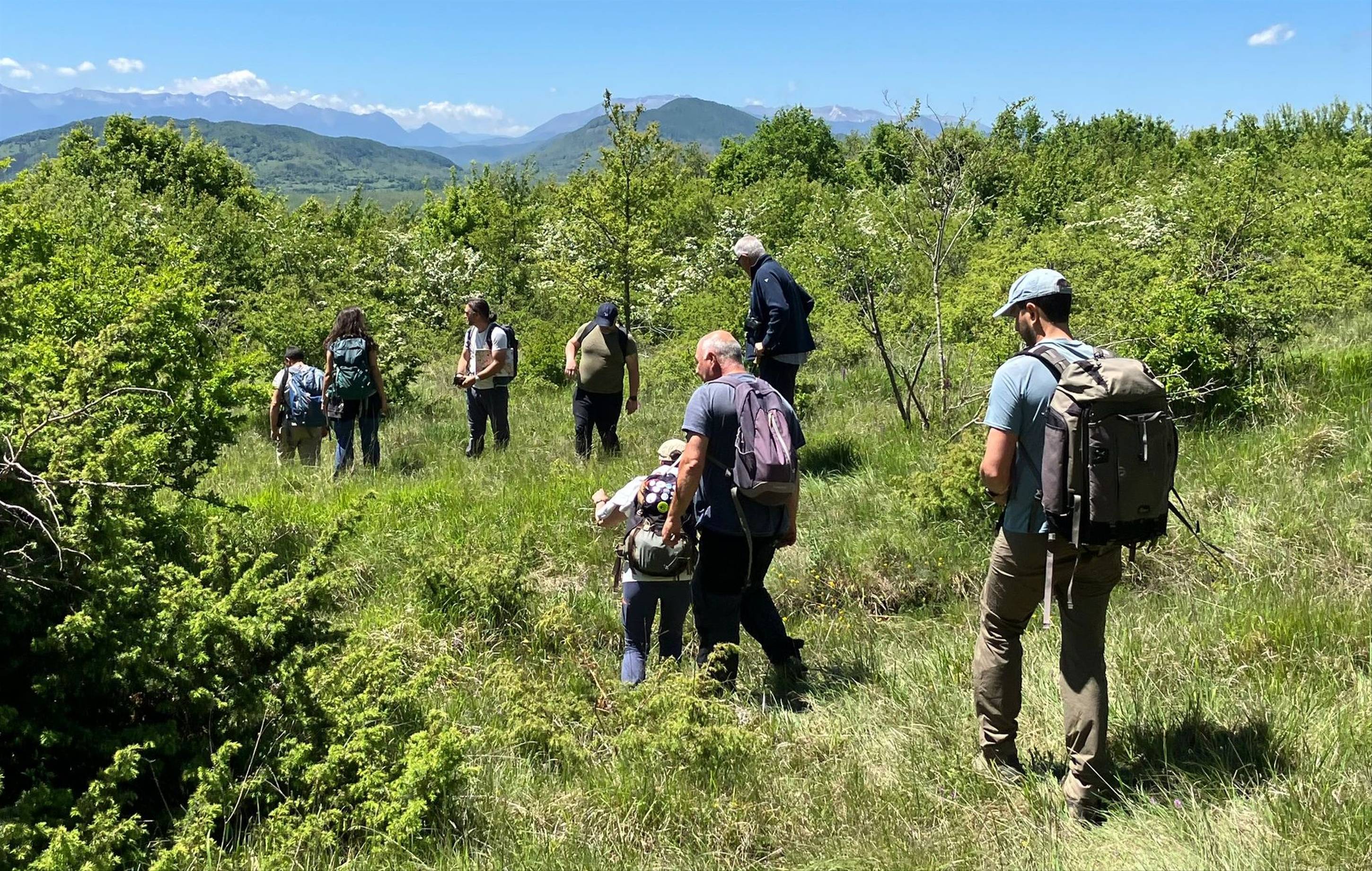
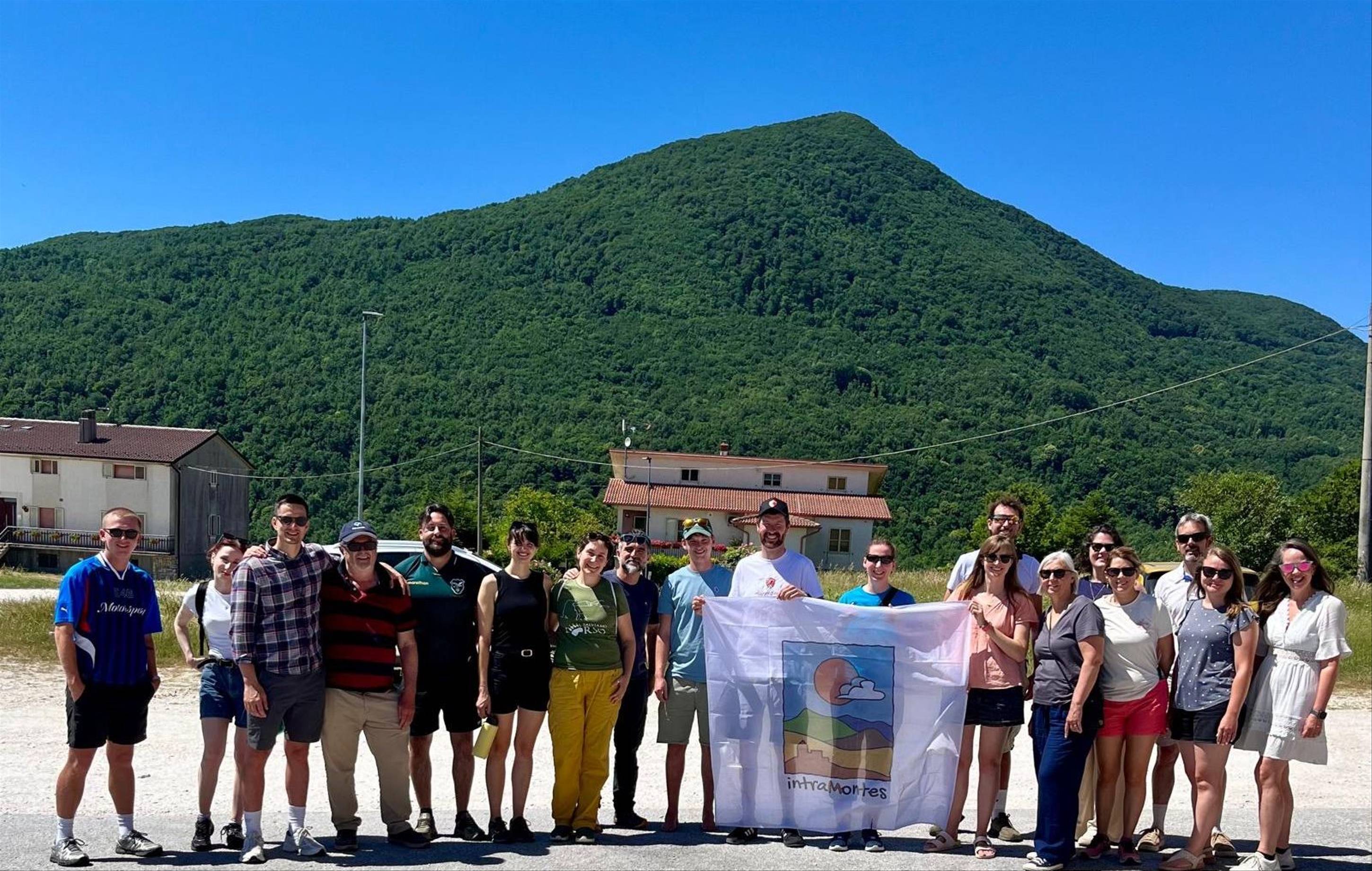
The Naturetrek Macchietelle Reserve is a 120-acre nature reserve in the Italian Apennines, managed in partnership with the conservation organisations Salviamo L'Orso (Save the Bear) and IntraMontes. Located within the buffer zone of the Collemeluccio-Montedimezzo UNESCO Biosphere Reserve in Alto Molise, the reserve forms part of a wider effort to create and strengthen wildlife corridors linking protected landscapes across the Apennines.
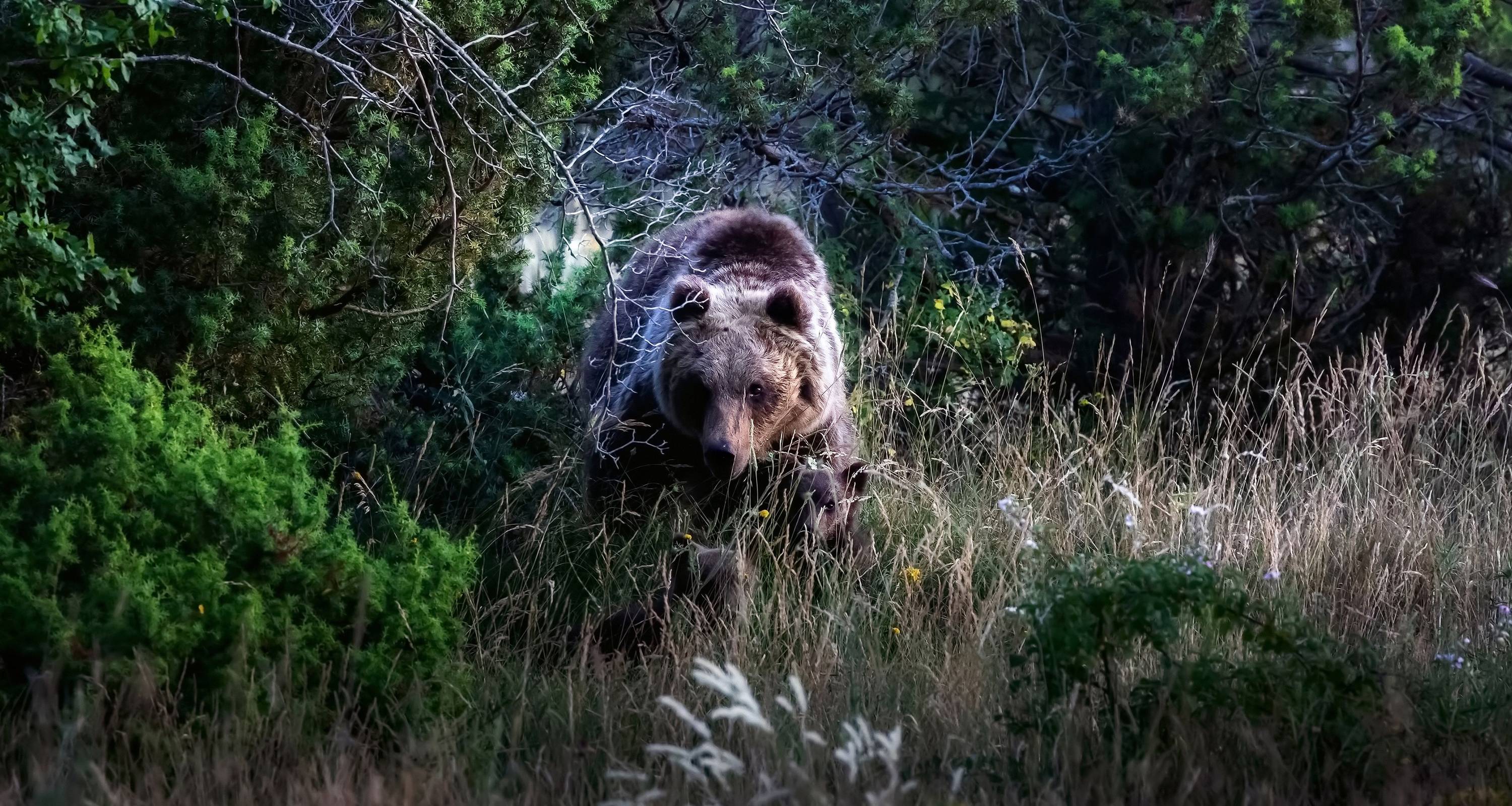
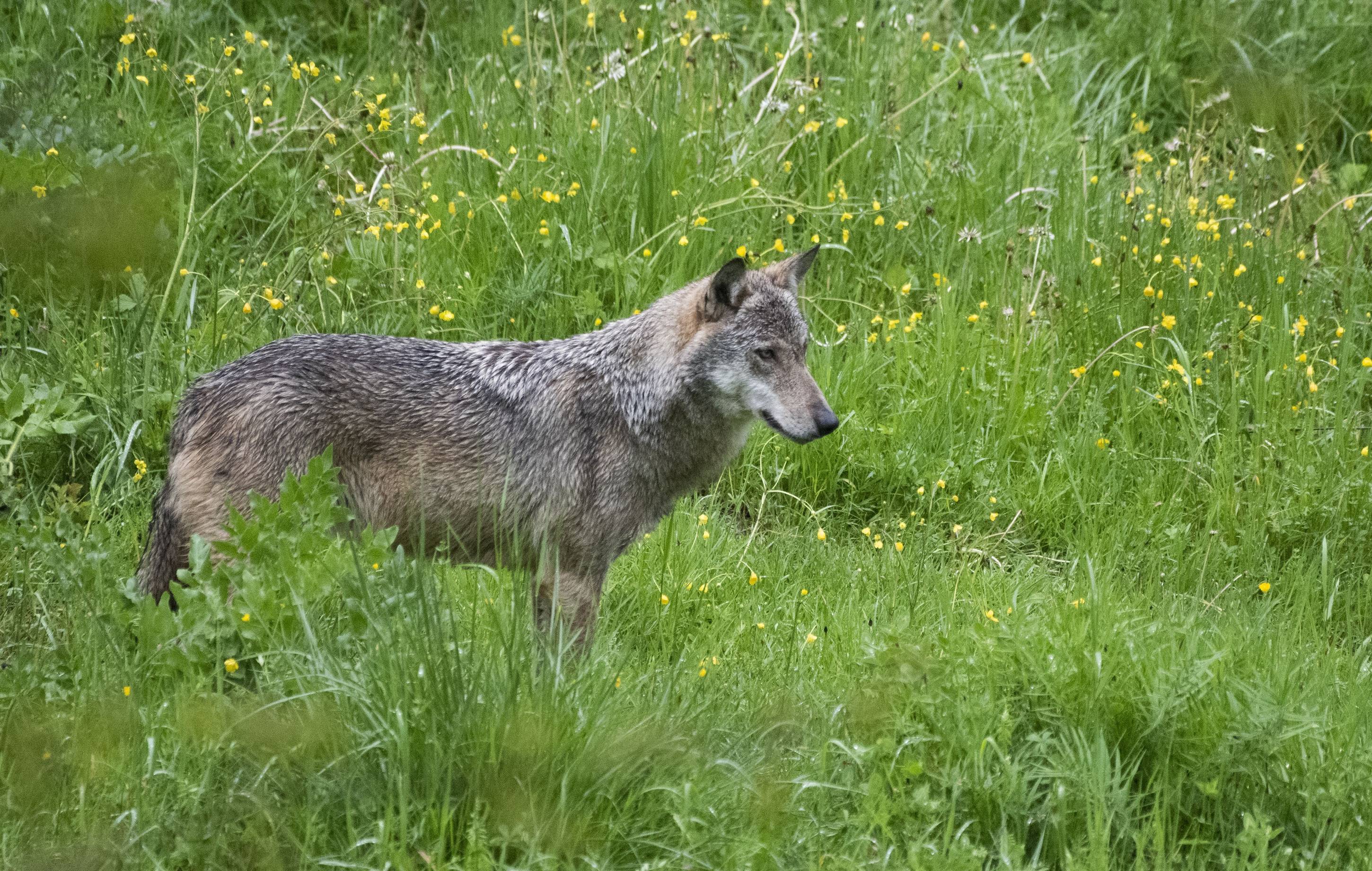
This landscape is of particular importance for the endangered Marsican Brown Bear, a unique subspecies found only in central Italy and numbering just around 60 individuals. The reserve also supports Apennine Wolf and an abundance of mammals, together with a rich diversity of plants, amphibians, reptiles and woodland species.
Creating Wildlife Corridors
A key aim of the reserve is to contribute to the creation of connected habitats between the national parks and protected areas of the Apennines. By improving habitat connectivity, we hope wildlife will be able to move more freely through the landscape, reducing isolation and supporting healthy populations of large mammals and other species.
This corridor-building approach reflects the same conservation model that we have successfully supported in Ecuador for many years, where our reserves help connect two national parks through a vital cloudforest wildlife corridor.
Array
(
    [0] => stdClass Object
        (
            [title] => Gallery Item
            [item_type] => image
            [full] => stdClass Object
                (
                    [src] => https://i.assetzen.net/i/NsZMxyBcGkER/w:3000/h:1600/q:70.jpg
                    [width] => 3000
                    [height] => 1600
                    [alt] =>
                )

            [video] => stdClass Object
                (
                    [src] =>
                )

            [thumbnail] => stdClass Object
                (
                    [src] =>
                )

            [video_aria_label] => Hit space to toggle, play or pause video
            [video_loop] => 0
            [image_focus] => center
            [caption] => The Macchietelle Farmhouse
        )

    [1] => stdClass Object
        (
            [title] => Gallery Item 3
            [item_type] => image
            [full] => stdClass Object
                (
                    [src] => https://i.assetzen.net/i/bCoBHctIY1Ji/w:2900/h:1840/q:70.jpg
                    [height] => 1840
                    [width] => 2900
                    [alt] =>
                )

            [video] => stdClass Object
                (
                    [src] =>
                )

            [thumbnail] => stdClass Object
                (
                    [src] =>
                )

            [video_aria_label] => Hit space to toggle, play or pause video
            [video_loop] => 0
            [image_focus] => center
            [caption] => Apennine Wolf
            [admin_label] => Gallery Item 3
        )

    [2] => stdClass Object
        (
            [title] => Gallery Item 2
            [item_type] => image
            [full] => stdClass Object
                (
                    [src] => https://i.assetzen.net/i/xmiNNZZrmfqH/w:2900/h:1840/q:70.jpg
                    [height] => 1840
                    [width] => 2900
                    [alt] =>
                )

            [video] => stdClass Object
                (
                    [src] =>
                )

            [thumbnail] => stdClass Object
                (
                    [src] =>
                )

            [video_aria_label] => Hit space to toggle, play or pause video
            [video_loop] => 0
            [image_focus] => center
            [caption] => Exploring the reserve, May 2024
            [admin_label] => Gallery Item 2
        )

    [3] => stdClass Object
        (
            [title] => Gallery Item 4
            [item_type] => image
            [full] => stdClass Object
                (
                    [src] => https://i.assetzen.net/i/Gm6q5N2SDvoj/w:2900/h:1840/q:70.jpg
                    [height] => 1840
                    [width] => 2900
                    [alt] =>
                )

            [video] => stdClass Object
                (
                    [src] =>
                )

            [thumbnail] => stdClass Object
                (
                    [src] =>
                )

            [video_aria_label] => Hit space to toggle, play or pause video
            [video_loop] => 0
            [image_focus] => center
            [caption] => The Naturetrek team with IntraMontes in Pescolanciano, June 2026
            [admin_label] => Gallery Item 4
        )

)
Habitat Restoration and Species Protection
Our management of the reserve focuses on habitat restoration and biodiversity enhancement, through:
- Planting and managing native fruit-bearing trees to provide food for bears and other wildlife.
- Removing barbed wire, fencing and other hazards that threaten wildlife.
- Restoring wetlands, springs and ponds to benefit amphibians and aquatic species.
- Protecting and encouraging the natural regeneration of native Silver Fir and Yew woodland.
- Monitoring wildlife through camera traps, bat detectors and nest boxes.
- Supporting efforts to prevent poaching and reduce conflict between people and large carnivores.
The reserve is also home to several species of conservation interest, including Northern Spectacled Salamander and Italian Newt, which will benefit from the restoration of the reserve's wetland habitats.
A further ambition, for the future, is that we can restore the old, ruined farmhouse on the land for use both as a base and a research, training and interpretation facility for IntraMontes and Salviamo L'Orso.

Working with Pollinators
Bees are another important element of the reserve's management. At the reserve, Bear-proof beehives are being used to encourage pollinators, support the production of fruit and berries for wildlife, and assist biodiversity monitoring through pollen analysis. Honey sales and the opportunity for visitors to the reserve to be able to experience the health-giving and restorative properties of bee therapy both have the potential to generate a little of the income that SLO and IntraMontes will need to manage the reserve effectively.
Our Commitment to Conservation
The Naturetrek Macchietelle Reserve forms part of our broader commitment to habitat protection, restoration and rewilding. It is our belief that protecting land and placing it under long-term conservation management is one of the most effective ways to safeguard biodiversity. By supporting habitat restoration, improving connectivity between protected areas and creating space for wildlife to thrive, we hope that our Naturetrek Macchietelle Reserve will contribute to the long-term recovery of one of Europe's most important natural landscapes.

