
The Naturetrek Stuckindroin Reserve, Scotland
The Naturetrek Stuckindroin Reserve is a 3,609-acre estate at the northern end of Loch Lomond, within Scotland's Loch Lomond & The Trossachs National Park. Stretching from the shoreline of the loch to the summit of Ben Vorlich, the reserve encompasses a remarkable range of habitats, including lochside meadows, native woodland, wood pasture, peatland and montane landscapes.
Having taken ownership of the estate in August 2025, our long-term vision is to restore and expand Scottish temperate rainforest and other nature-rich habitats across the newly created reserve, in partnership with an experienced conservation organisation. Our ambition is to create a thriving landscape for wildlife, while contributing to climate resilience and biodiversity recovery.

Restoring Scottish Temperate Rainforest
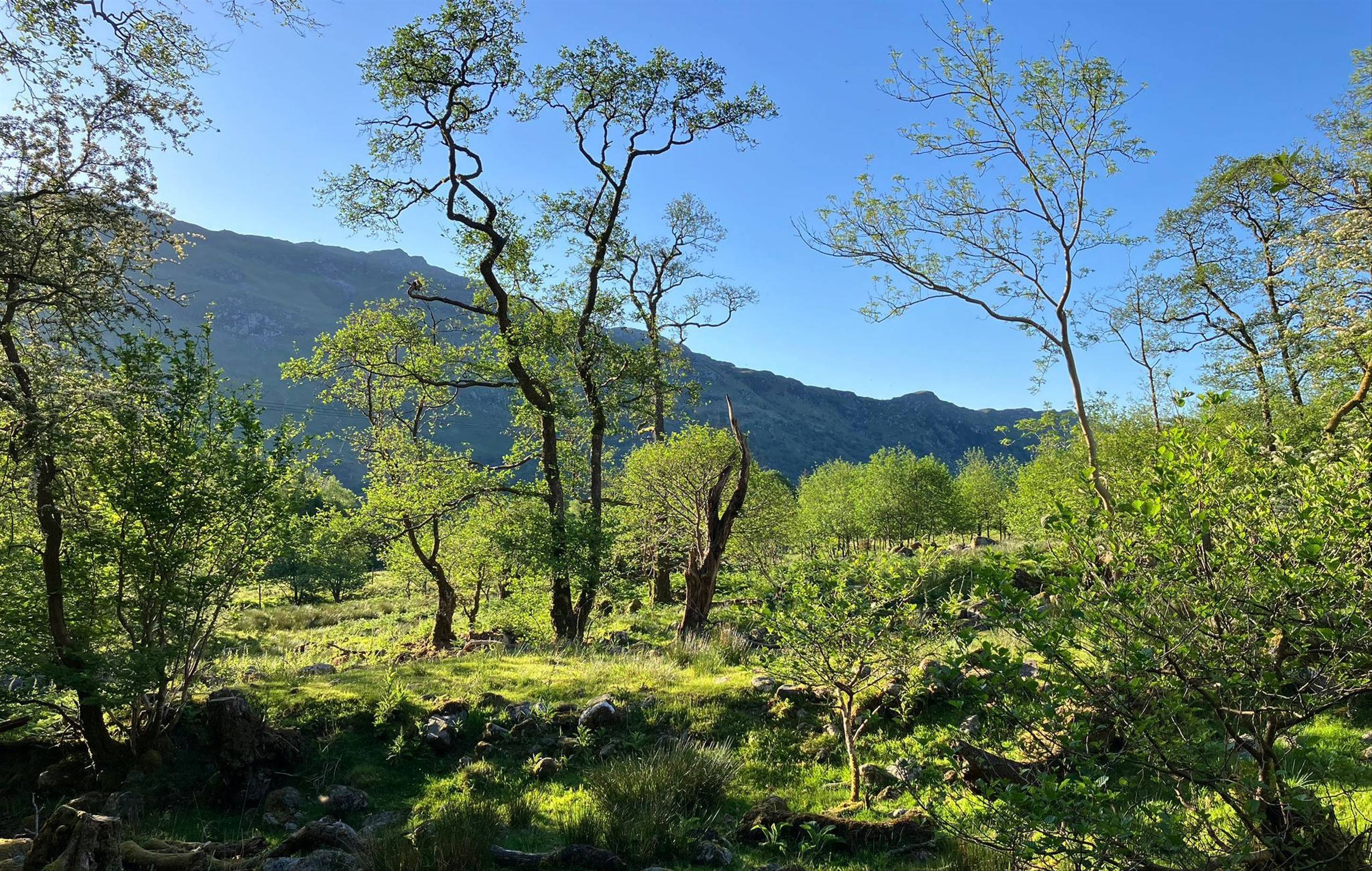
Much of western Scotland once supported extensive temperate rainforest, one of the world's rarest woodland habitats. Today, only fragments remain. At Stuckindroin, our conservation efforts focus on restoring and connecting native woodland habitats, encouraging the natural regeneration of species such as Oak, Ash, Birch, Rowan and Alder. Alongside woodland restoration, we will be working to improve the condition of peatlands, wood pasture and montane habitats, helping to create a richer and more resilient ecosystem across the reserve.
A Landscape Connected by Nature
Stuckindroin lies within a wider network of conservation initiatives aimed at restoring habitats throughout Loch Lomond & The Trossachs National Park. The reserve sits opposite RSPB Inversnaid and forms part of a landscape that includes the Great Trossachs Forest Project, the Wild Strathfillan Project and other rainforest restoration initiatives around Loch Lomond. By working alongside neighbouring landowners and conservation organisations that share a commitment to nature recovery, we aim to contribute to the creation of a more connected landscape in which wildlife can flourish.
Array
(
    [0] => stdClass Object
        (
            [title] => Gallery Item
            [item_type] => image
            [full] => stdClass Object
                (
                    [src] => https://i.assetzen.net/i/qNJph1cDQMPI/w:1890/h:1417/q:70.jpg
                    [width] => 1890
                    [height] => 1417
                    [alt] =>
                )

            [video] => stdClass Object
                (
                    [src] =>
                )

            [thumbnail] => stdClass Object
                (
                    [src] =>
                )

            [video_aria_label] => Hit space to toggle, play or pause video
            [video_loop] => 0
            [image_focus] => center
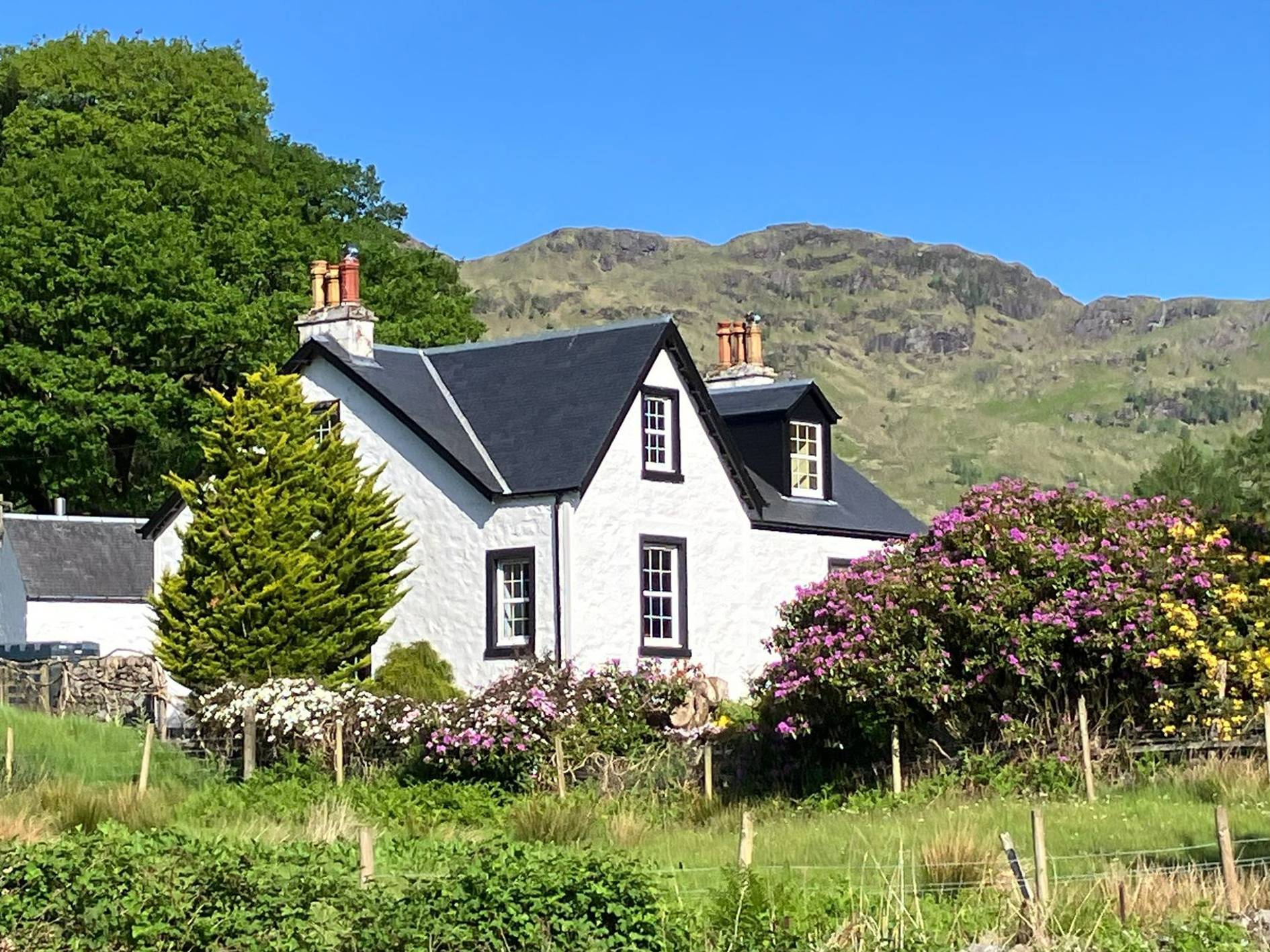
            [caption] => The Stuckindroin Farmhouse
        )

    [1] => stdClass Object
        (
            [title] => Gallery Item 3
            [item_type] => image
            [full] => stdClass Object
                (
                    [src] => https://i.assetzen.net/i/vdZHdb8D07S7/w:2900/h:1840/q:70.jpg
                    [height] => 1840
                    [width] => 2900
                    [alt] =>
                )

            [video] => stdClass Object
                (
                    [src] =>
                )

            [thumbnail] => stdClass Object
                (
                    [src] =>
                )

            [video_aria_label] => Hit space to toggle, play or pause video
            [video_loop] => 0
            [image_focus] => center
            [caption] => Native woodland in the reserve
            [admin_label] => Gallery Item 3
        )

    [2] => stdClass Object
        (
            [title] => Gallery Item 2
            [item_type] => image
            [full] => stdClass Object
                (
                    [src] => https://i.assetzen.net/i/IVbESRcAIcbO/w:2900/h:1840/q:70.jpg
                    [height] => 1840
                    [width] => 2900
                    [alt] =>
                )

            [video] => stdClass Object
                (
                    [src] =>
                )

            [thumbnail] => stdClass Object
                (
                    [src] =>
                )

            [video_aria_label] => Hit space to toggle, play or pause video
            [video_loop] => 0
            [image_focus] => center
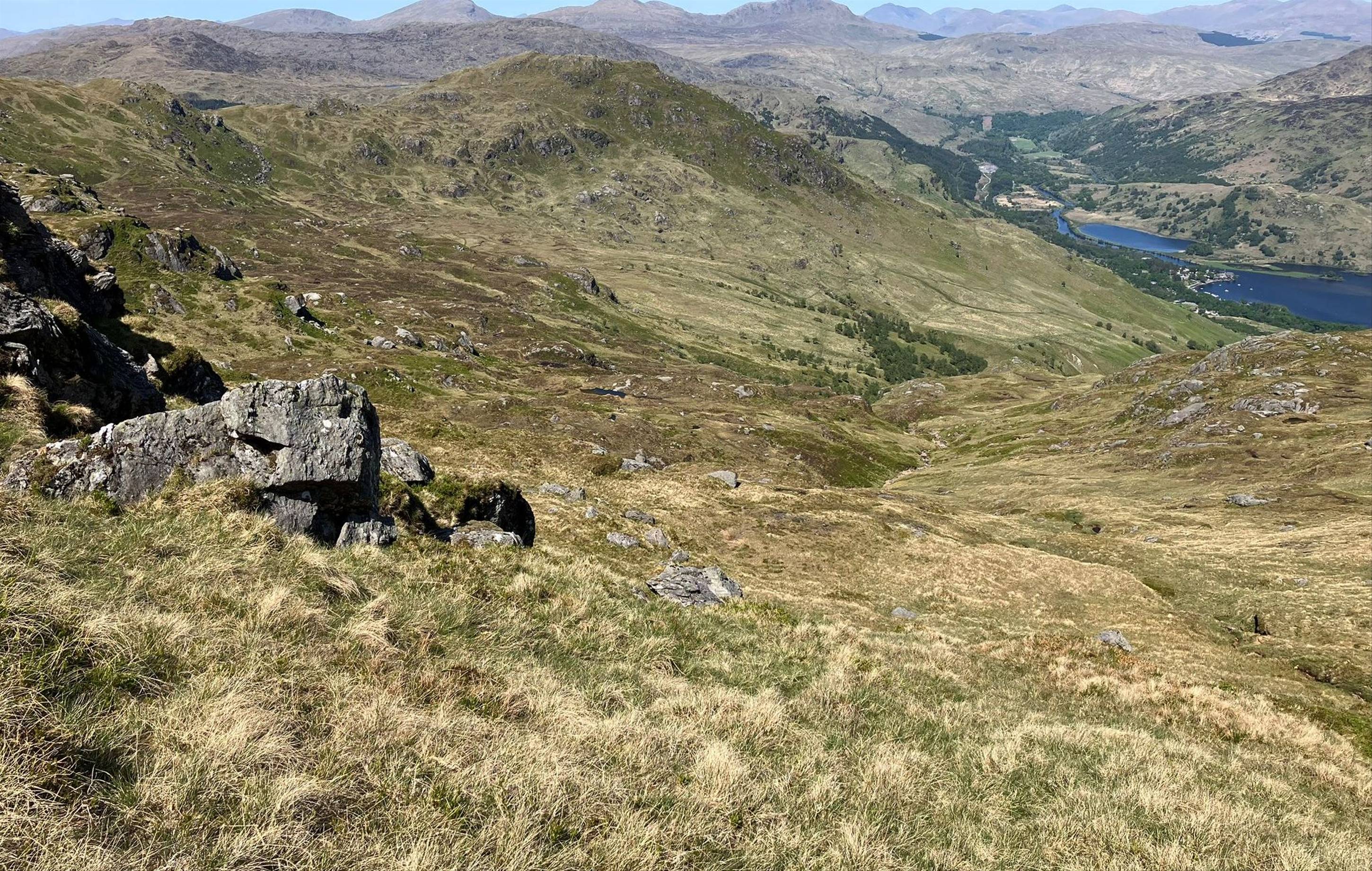
            [caption] => Looking north to the hills of Wild Strathfillan
            [admin_label] => Gallery Item 2
        )

    [3] => stdClass Object
        (
            [title] => Gallery Item 4
            [item_type] => image
            [full] => stdClass Object
                (
                    [src] => https://i.assetzen.net/i/ju8IgyhWlFU8/w:2900/h:1840/q:70.jpg
                    [height] => 1840
                    [width] => 2900
                    [alt] =>
                )

            [video] => stdClass Object
                (
                    [src] =>
                )

            [thumbnail] => stdClass Object
                (
                    [src] =>
                )

            [video_aria_label] => Hit space to toggle, play or pause video
            [video_loop] => 0
            [image_focus] => center
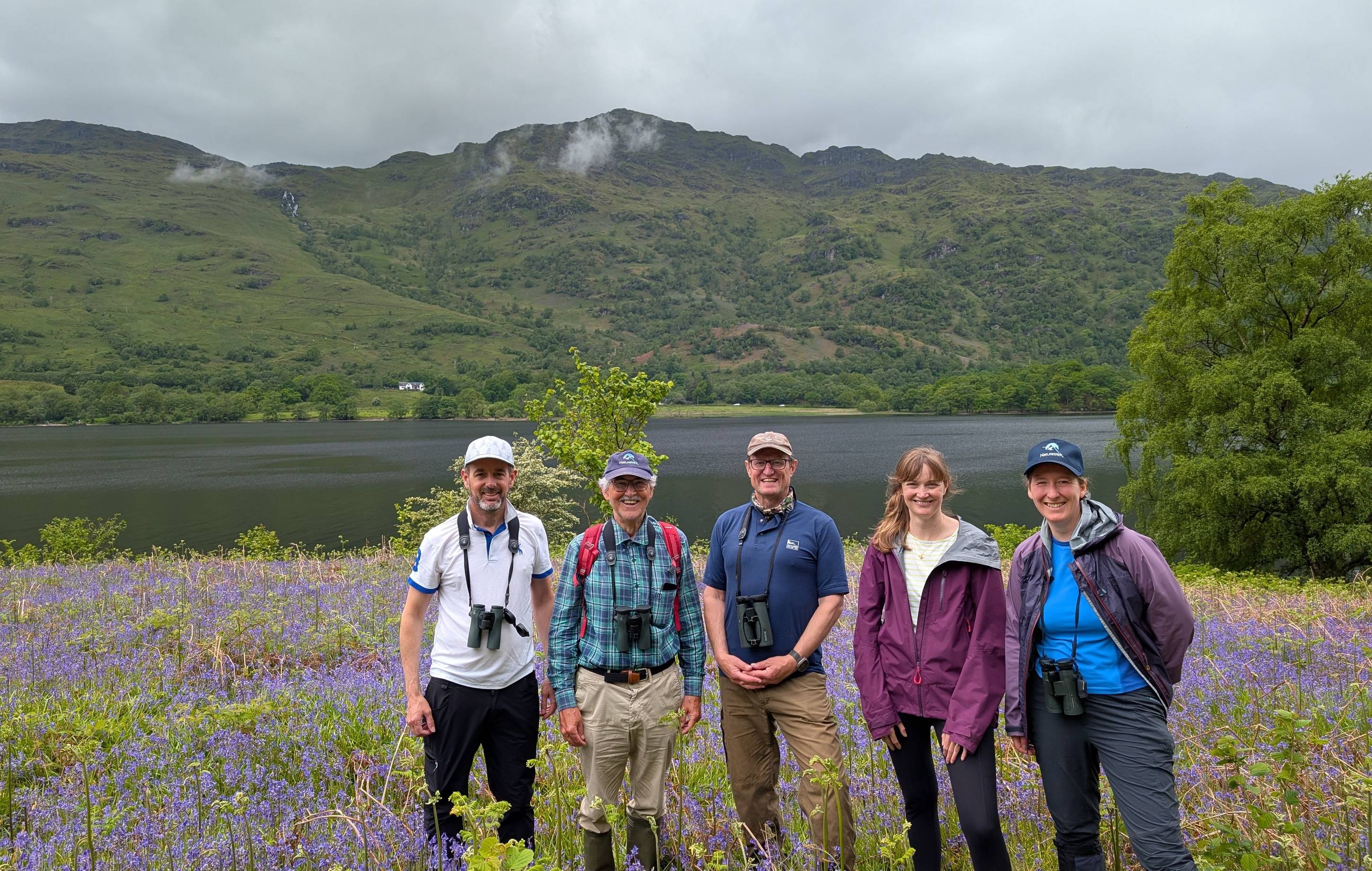
            [caption] => The Naturetrek and RSPB team across the loch from Stuckindroin, May 2026
            [admin_label] => Gallery Item 4
        )

)
Wildlife and Biodiversity
Stuckindroin's considerable altitudinal range, from just above sea level to the 3,094-foot summit of Ben Vorlich, supports an impressive diversity of wildlife and plant communities.
Bird species recorded on the reserve include Golden Eagle, Ptarmigan, Greenshank, Golden Plover, Black Grouse, Whinchat and Wood Warbler. The reserve's varied habitats also provide opportunities for a wide range of mammals, invertebrates and plant species.
Botanical surveys have highlighted the importance of the reserve for native flora, with species-rich grasslands, woodland plants and montane communities contributing to its conservation value. Areas supporting notable species, including Globeflower and Melancholy Thistle, form an important part of the estate's biodiversity.
Our approach to conservation at Stuckindroin is guided by the principle of long-term habitat restoration. Ongoing ecological surveys help identify opportunities to improve habitats, strengthen ecological connections and increase biodiversity across the estate. The key areas of focus include:
- Restoration and expansion of Scottish temperate rainforest.
- Protection and enhancement of native woodland and wood pasture.
- Peatland restoration and carbon storage.
- Conservation of upland and montane habitats.
- Habitat management for priority bird species, including Black Grouse.
- Long-term monitoring of flora and fauna.
Exciting Discoveries at Stuckindroin!
Early surveys of the reserve found two key indicators of temperate rainforest: Western Featherwort (Plagiochila heterophylla) and Deceptive Featherwort (Pseudomarsupidium decipiens). We were also excited to learn that Stuckindroin has its own endemic plant – Ben Vorlich Hawkweed (Hieracium vorlichense) – a tiny population which has only ever been seen twice!
We have also been contacted by an archaeologist who is searching the estate for a long-lost 17th century almshouse belonging to the Macfarlane clan. The area to be searched is just south of Stuckindroin’s farmhouse, close to Pulpit Rock, an ancient preaching site (now a scheduled monument). Stuckindroin encompasses lands which were important to the Macfarlanes, and their goal is to confirm the existence and location of the almshouse and, they hope, ‘adjust the historical narrative to note that the Macfarlanes did more than just rustle cattle!’
Our Commitment to Conservation
The Stuckindroin Reserve forms part of Naturetrek's broader commitment to investing in habitat protection, restoration and rewilding. Alongside our Naturetrek Reserves in Ecuador and Italy, the project demonstrates how land can be managed for the benefit of wildlife, biodiversity and the wider environment.
By restoring native habitats and supporting landscape-scale conservation, the reserve will contribute to the recovery of one of Britain's most important natural regions for generations to come.

